Complete Guide to Radon Mitigation Systems for Your Home
Radon is the second-leading cause of lung cancer death in the U.S., responsible for over 21,000 deaths each year. Radon is present
in approximately one in 15 homes in the United States. About one in five Florida homes has radon levels above the EPA action level. If you live in the Tampa area, it's important to understand the risk of radon and how to use radon removal systems to protect your home.
Understanding Radon Mitigation Systems
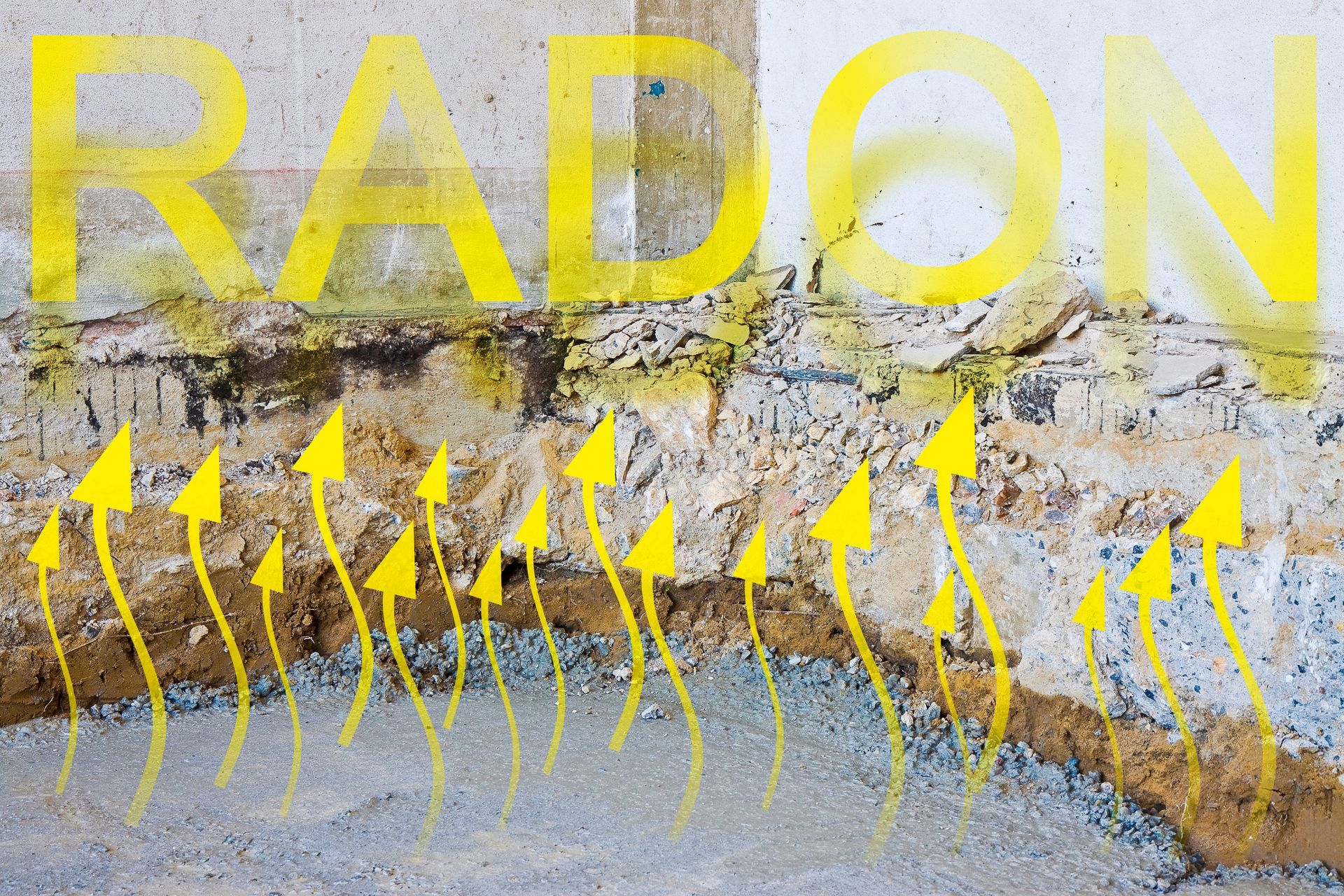
Radon is an invisible, odorless threat that can seep into your home through small cracks and gaps in the foundation. Radon forms naturally in the soil as uranium breaks down. Active soil depressurization is the most common way to mitigate radon. This is the process of creating negative pressure beneath the foundation to draw radon up and direct it out of the building before it has a chance to reach the inhabited areas of the home.
Sub-slab depressurization (SSD) is the most popular strategy for home radon mitigation in Florida homes. This system is designed for concrete slab foundations, which are common in the Tampa area. SSD systems create suction points where radon is intentionally pulled up through the foundation and vented outside using an exhaust fan.
Choosing and Installing Your System
As previously mentioned, SSD systems are the most common. If your home has a crawl space or basement, you might use a sump pit depressurization system instead. Basements are extremely uncommon in Florida due to the damp soil and swampy environment. However, some Tampa homes do have crawl spaces that are appropriate for a sump pit depressurization system. This radon mitigation installation features an airtight lid over the sump pit that's connected to a vent pipe and fan. This draws radon up and sends it outside.
Sub-membrane depressurization is another option for a home with a crawl space. This system uses a thick plastic membrane over the soil to contain radon emissions. A vent pipe and fan are attached to the membrane to pull radon out of the space and vent it outdoors.
The best home radon mitigation system is based largely on the building's construction. SSD systems are appropriate for slab-on-grade homes, while a sump pit or sub-membrane system is needed for a crawl space. You will then need to decide how and where the radon is expelled. You can vent it outside through a pipe. You can also vent it through your attic.
Ensuring Long-Term Protection
A licensed home radon mitigation professional will help you choose, install, and maintain an effective radon mitigation system for lasting control. You should have your home tested for radon every two years, even with a new mitigation system, to make sure it's working properly. Most systems last five to 10 years, but regular inspections will make sure you're still safe.
Schedule free radon testing now to see where you stand.